
Arizona Wild Flowers
Pictures, Photos, Images
Descriptions, Information, Reviews.
Foothill Palo Verde,
Parkinsonia (Cercidium) microphyllum.
We Are Proud Of Our SafeSurf Rating!

Click On Any Of The Following Links By Amazon.Com
For Books, & Videos About Wildflowers Of Arizona & The Southwest USA. No Obligation!
 |
| Foothill Palo Verde, Parkinsonia (Cercidium) microphyllum Photo Taken May 4, 2005 At Phoenix, Arizona. |
|---|
 |  |
| Foothill Palo Verde Flower The White Petal (Banner) Is A Distinguishing Feature! | Blue Palo Verde Flower No White Petal (Banner) Is A Distinguishing Feature! |
|---|---|
 |  |
| Mexican Palo Verde Flower The Orange Petal (Banner) Is A Distinguishing Feature! | Foothill Have Few Thorns But, Stems Become Thorns A Distinguishing Feature! |
 |  |
| Foothill Grow To About 20' High Have More Yellowish Bark Duller Yellow/White Flowers. | Foothill Have Short Thorns Spaced Short Distance From Each Other. |
 | |
| Foothill, Yellow or Littleleaf Palo Verde (Parkinsonia) (Cercidium) microphyllum) Note: The White Banner Petals! | Palo Verde Is Spanish For Green Wood Or Stick, Which References The Green Branches And The Trunk. |
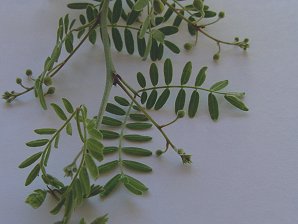 | |
| Foothill Species Have More Abundant Leaves Growing On Longer Stems. Flowers Produce Pollen For Bees. Very Little Honey. | Foothill Palo Verde Leaves Bipinnately Compound With Five To Seven Pairs Of Elliptical Leaflets Seen Here! |
 |  |
| Foothill, Yellow or Littleleaf Palo Verde. Yellow-Green Bark. | The Trunk Sometimes Has Gray Scars On It. |
 /
/


Foothill Palo Verde.
We wish to thank Wikipedia, the free encyclopedia for some of the information on this page. We share images and information with Wikipedia. An Arizona native desert tree with spectacular yellow spring bloom and light green trunks. Foothill palo verde is a multitrunked, deciduous, large shrub or small tree to about 15 feet tall, rarely to 30 feet in deep soils. The yellowish-green branches are stiff and strongly upright, not drooping as in blue palo verde. Leaves are twice-pinnate, each fork bearing 3 to 5 pairs of tiny leaflets. Foliage is sparse even at the peak of the rainy season, and absent during the dry season. There are no spines beneath the leaves as in blue palo verde, but each twig terminates in a thorn. The tree flowers profusely for about 2 weeks in spring, beginning just as blue palo verdes in the same area are finishing. Flowers are not as bright than those of blue palo verde; the petals are pale yellow and the top banner petal is white. The seed pods contain 2 to 4 or more navy-bean sized seeds with thinner, softer shells than those of blue palo verde. Foothill palo verde is also more drought resistant than blue palo verde and it is not restricted to washes and it is common on rocky hillsides. These very slow-growing trees are more than a century old at maturity, and desert ecologist, Forest Shreve, says that they could live up to 400 years. Humans have also relied on the seeds for food; crops are abundant in most years. The O�odham preferred to eat the green seeds or pods; young seeds are tender and taste much like fresh peas. The Seri ate the fresh green seeds and also toasted, ground, and ate the mature seeds in a gruel. They usually raided pack rat nests to obtain the mature pods, and then winnowed the seeds. Four species of palo verde grow in the Sonoran Desert and sometimes naturally hybridize. This often makes it difficult to find plants that are not hybridized. Foothill palo verde hybridizes fairly commonly with Mexican palo verde (Parkinsonia) where both species grow in proximity to each other. Note: Mexican palo verde (Parkinsonia aculeata) has one bright orange petal ( Banner ) instead of a white petal ( Banner ) as the Foothill Palo Verde displays. It is native to the Southwestern United States in southeastern California and southern Arizona; and to Northwest Mexico in Sinaloa, Sonora, and Baja California. The plant is mostly found on slopes, and is one of the most common trees of the Sonoran Desert.
Quick Notes:
Height: Up to 15 - 20 feet tall. Rarely up to 25 - 30 feet tall. Can become about 15 to 25 feet wide.
Flowers: Pale yellow with five petals but, with one being a white petal (banner), pistils may be red - brown.
Flowering Time: May - June.
Seed Pod: A dark brown to black, woody seed capsule four to six inches long, maturing in mid to late summer. hanging on till late spring the next year. Seeds are dark red - brown.
Seeds: Smooth hard seeds are only slightly flattened with 2 to 7 found in each pod. Seeds are dark red - brown.
Stems/Trunks: About one foot in diameter. The branches and most of the main trunk are smooth and slightly yellow-green in contrast to the Blue Palo Verde. There are no spines beneath the leaves as in blue palo verde, but each twig terminates in a thorn.
Leaves: Leaves are twice-pinnate, normally each fork bearing 3 to 5 pairs of tiny leaflets. Sometimes; each leaf will have one pair of major leaflets and 5 to 7 pairs of minor leaflets.Yellowish green in color, 1/16" to 3/4" long.
Found: Native to Southwestern United States in southeastern California and southern Arizona; and to Northwest Mexico in Sinaloa, Sonora, and Baja California.
Hardiness:
Soil pH requirements:
Sun Exposure:
Elevation: 500 - 4,200 feet.
Habitat: Mostly found on desert slopes. It is an ideal xeriscape landscape plant in Arizona.
Miscellaneous: Flowering Photos Taken May 4, 2005 At Phoenix, Arizona.
|


We Are Proud Of Our SafeSurf Rating!
Click On Any Of The Following Links By Amazon.Com
For Books, & Videos About Xerioscape Plants Of Arizona & The Southwest USA. No Obligation!
Back To Arizona Wild Flowers Home Page.
Back To Arizona Wild Flowers, Yellow Flowers Page Four.
Back To Arizona Xeriscape Landscaping Main Page.
Back To Xeriscape Trees Page One.
Back To DeLange Home Page
© 1966 - Present, Audrey, Eve, & George DeLange
| © 1966 - Present, Audrey, Eve, & George DeLange |